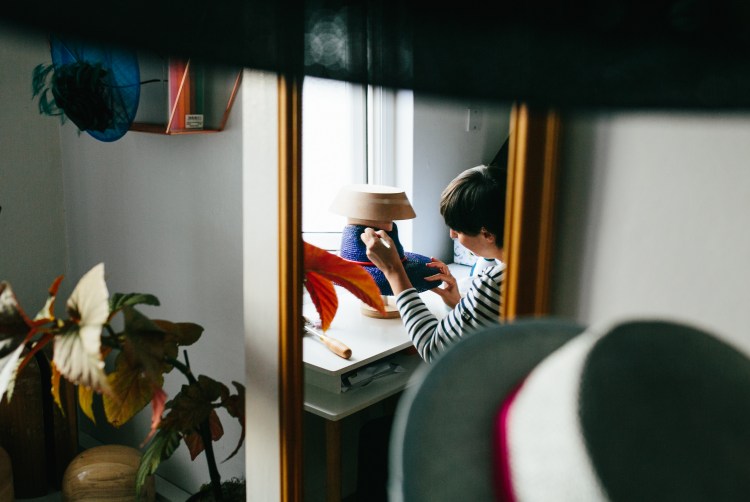
How I work
Traditionally, a Hatter was a man making hats for men, while a Milliner would be a woman making hats for women. The former would use more heavy duty materials, industrial tools and generally more physical force in the process. A Milliner would instead use lighter materials, employ more sewing techniques and finish the hats with delicate trims.
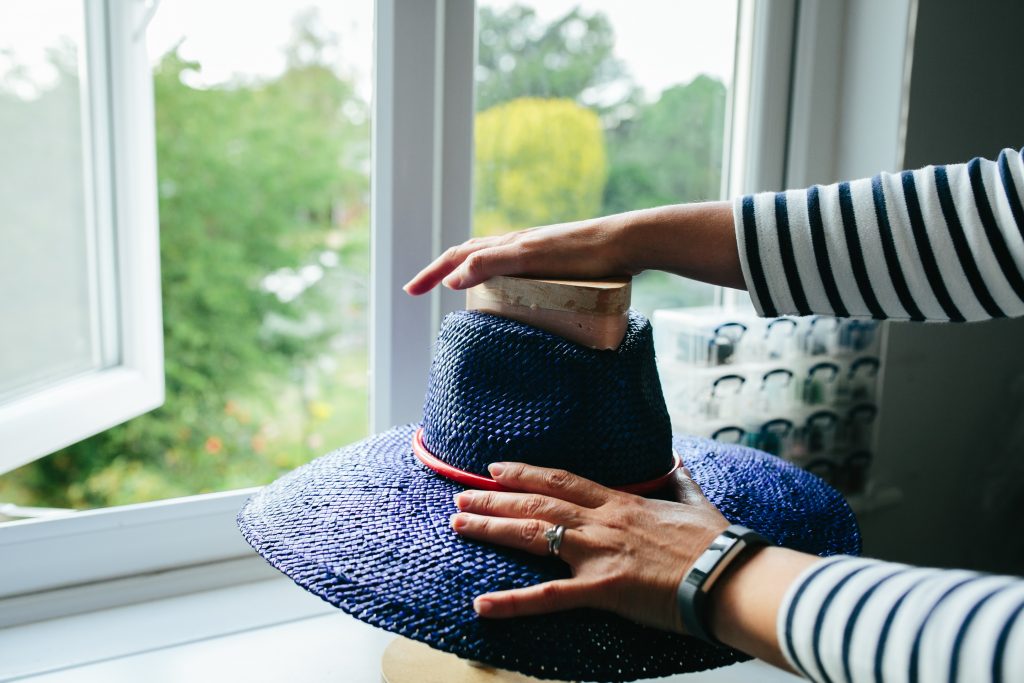
I sit right in between the two. I love making hats for any gender. I block my fedoras all in one piece, like a Hatter would, but I also sew all the trims by hand with delicate stitching – a process that can take several hours.
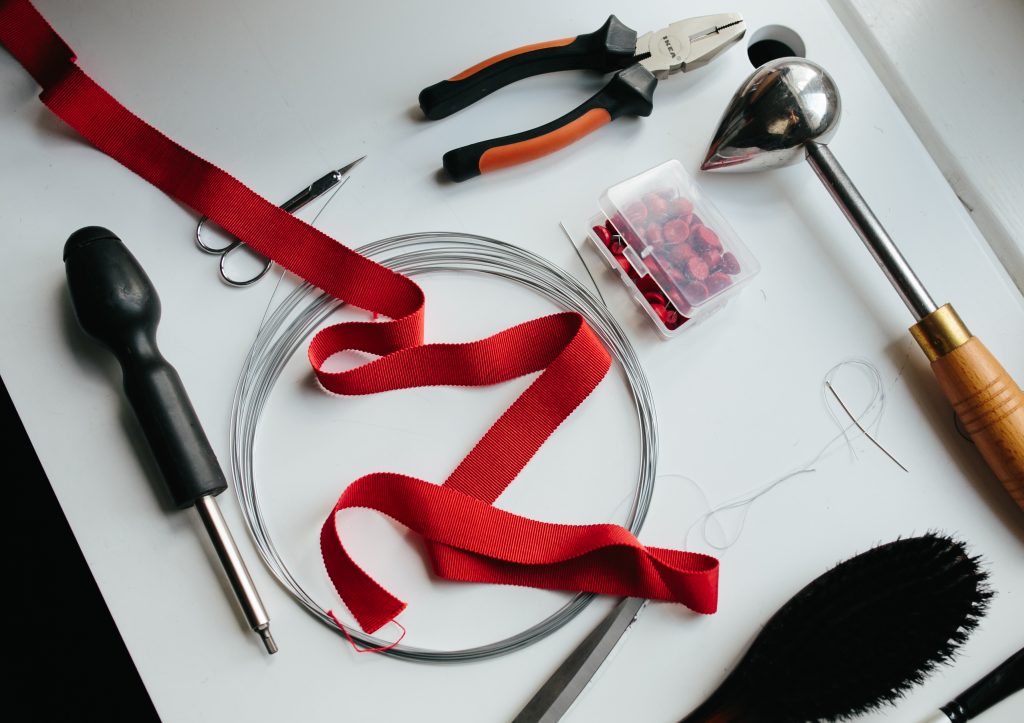
The tools of the trade range from vintage, handmade wooden hat blocks, to steamers, pins, screwdrivers, pliers and other weird and wonderful looking tools that give each hat their unique shape. I source most of my tools from respected traders who have been in the industry for half a century. Some of my vintage blocks are hard to come by, and have often come from cut-throat auctions!
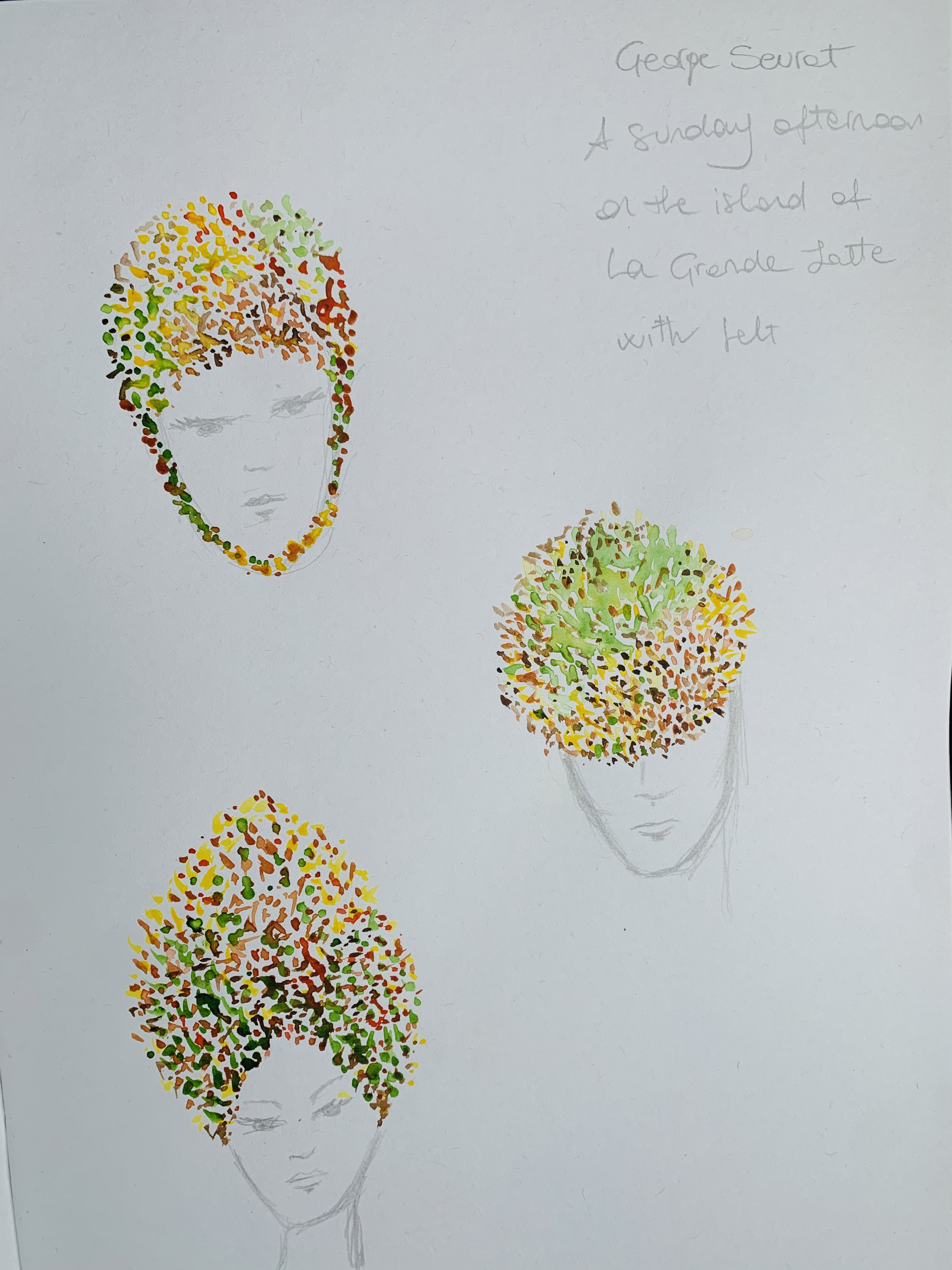
I often take inspiration from the natural world, my cultural heritage, and scenes of everyday life. My design process starts from drawing elements of what intrigues me and taking those elements beyond their context. For example, my hat “Riccio” started from drawings of a strawberry tree fruit, where I explored the concept of a spiky surface protecting something precious.
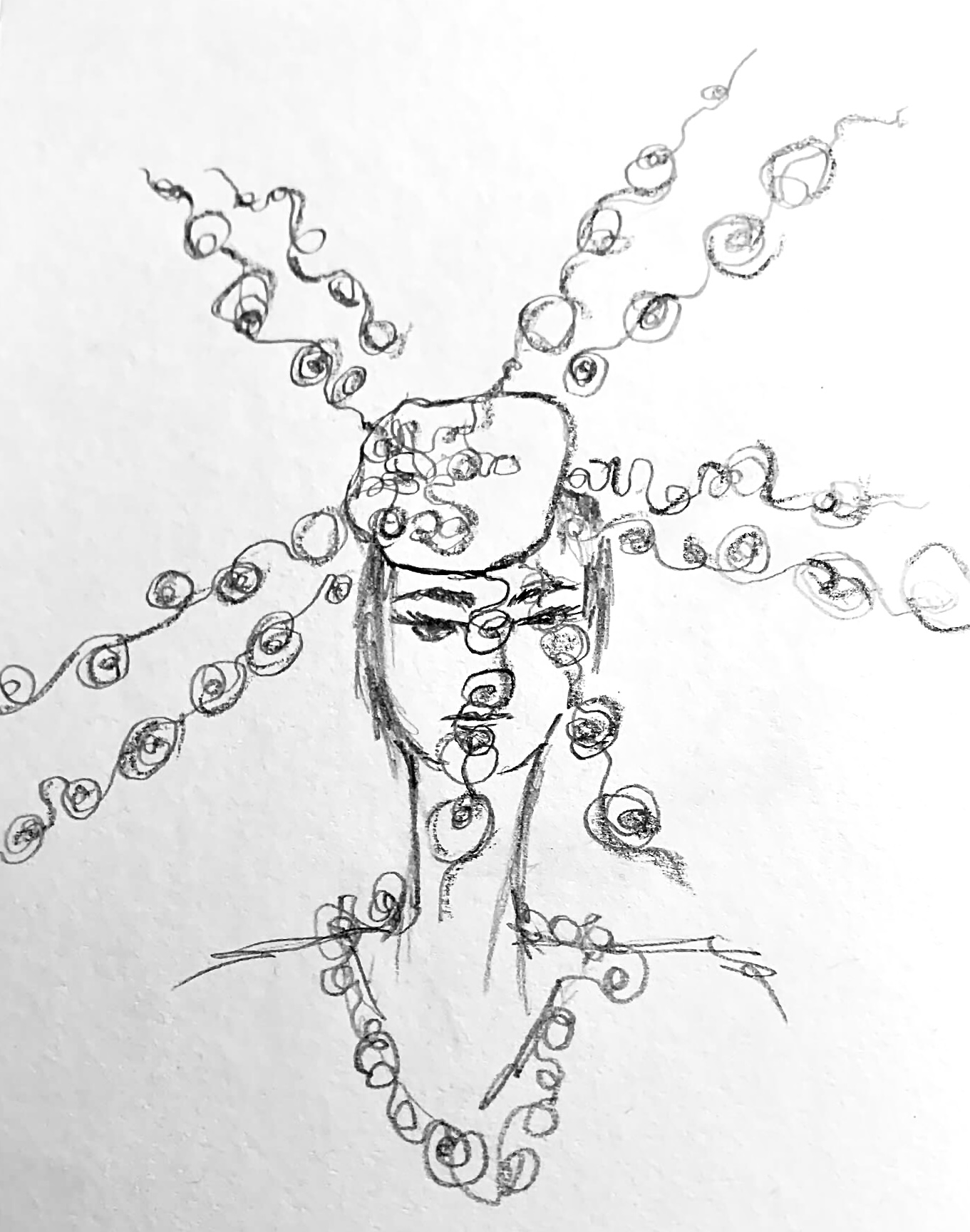
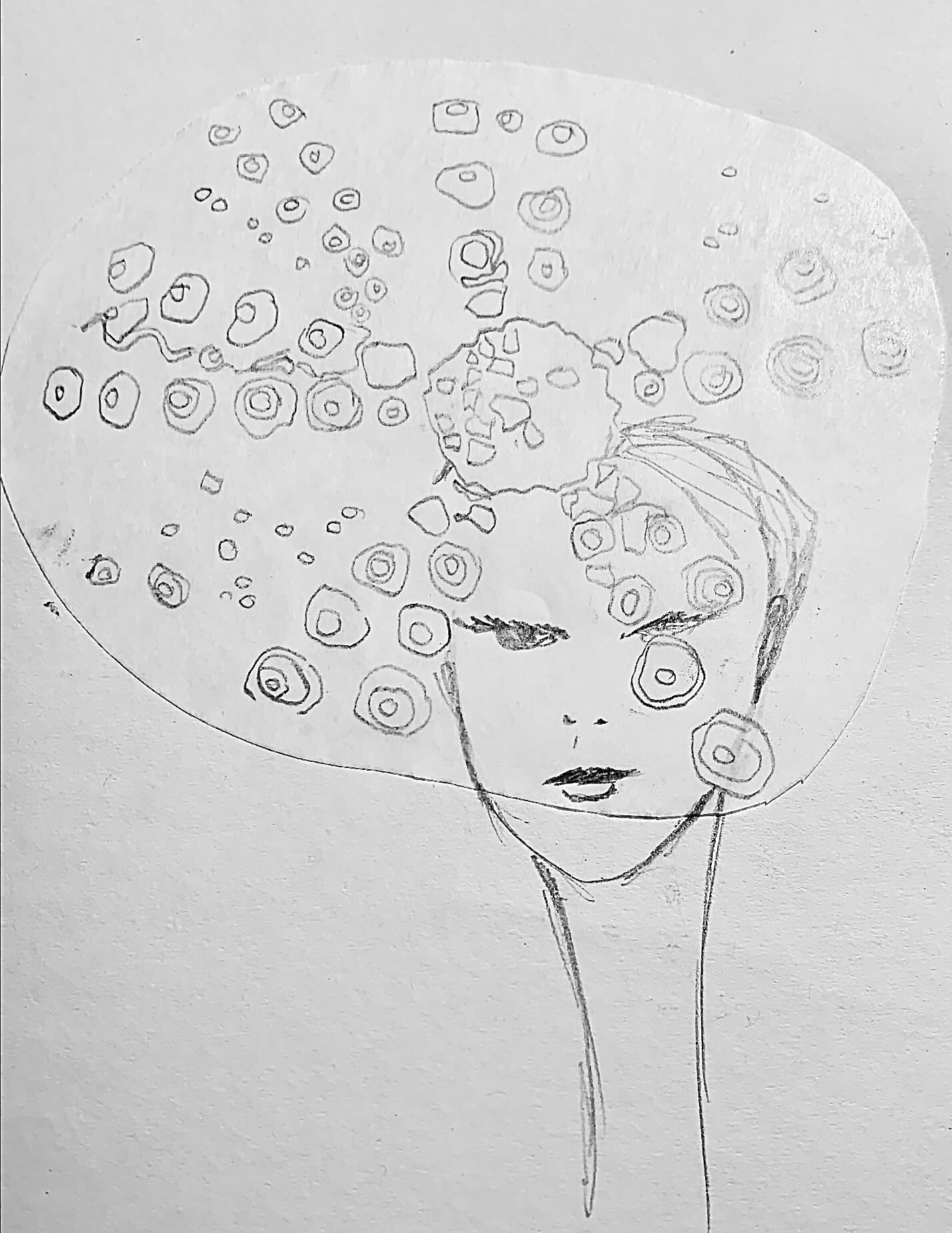
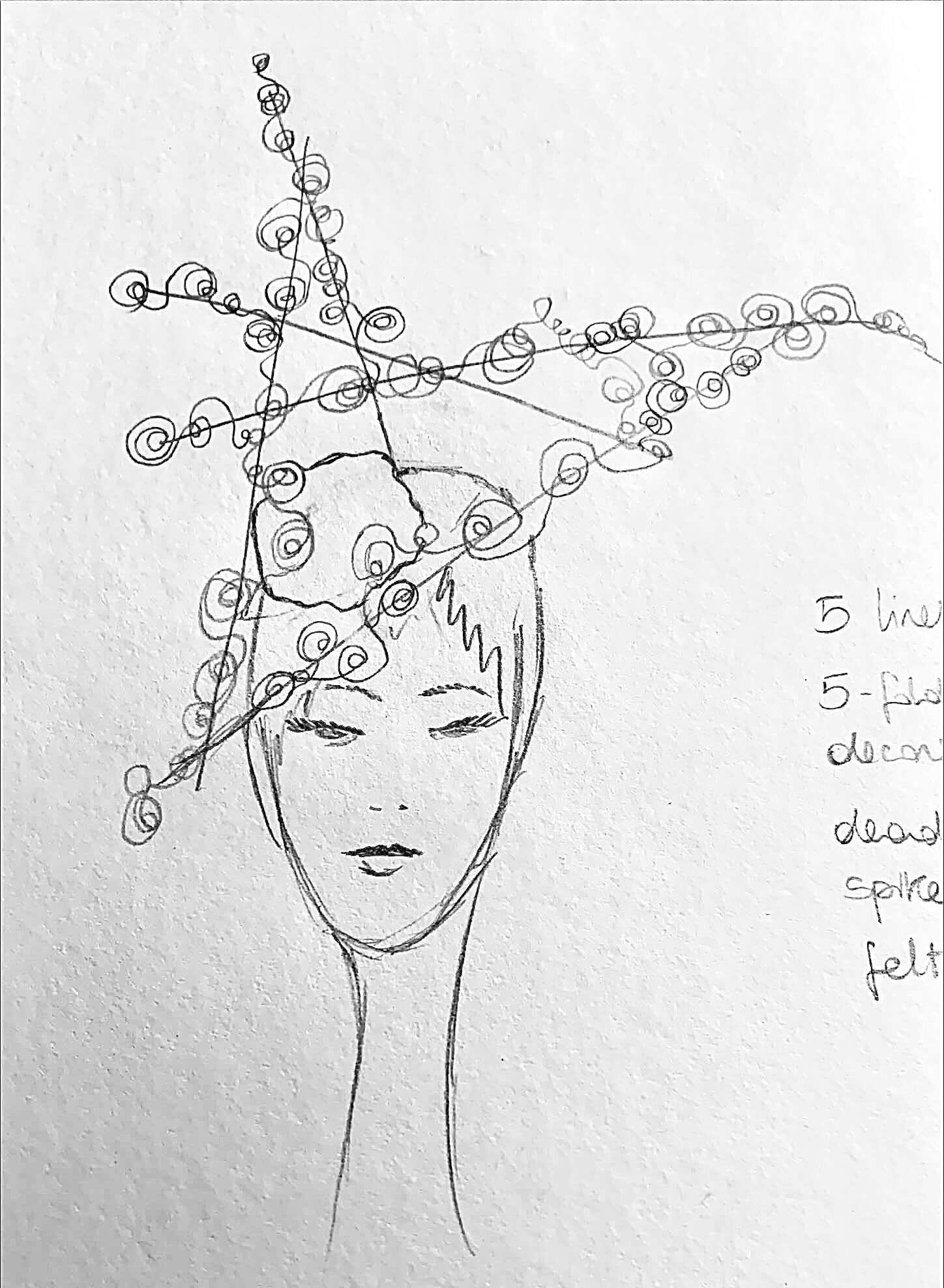
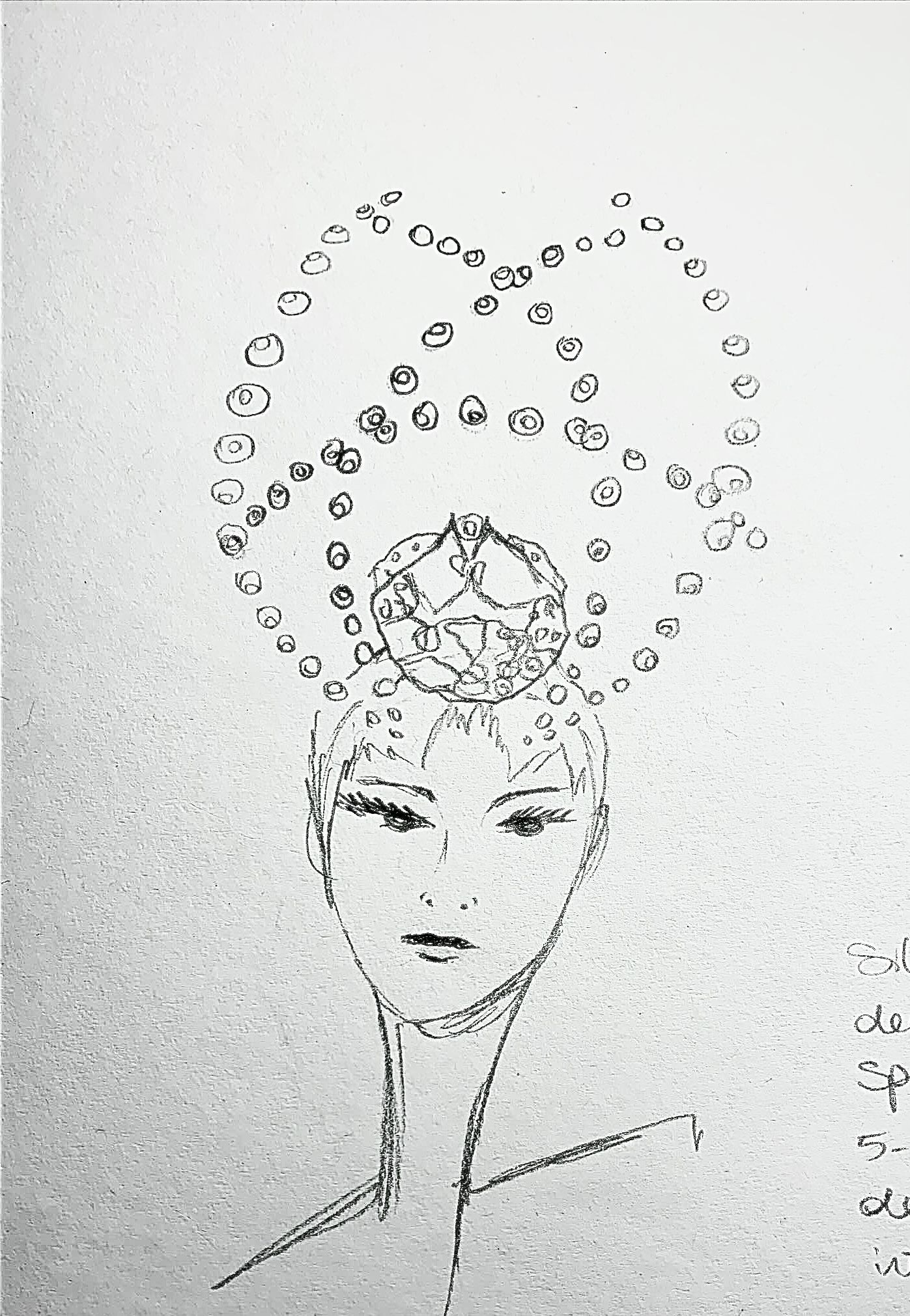
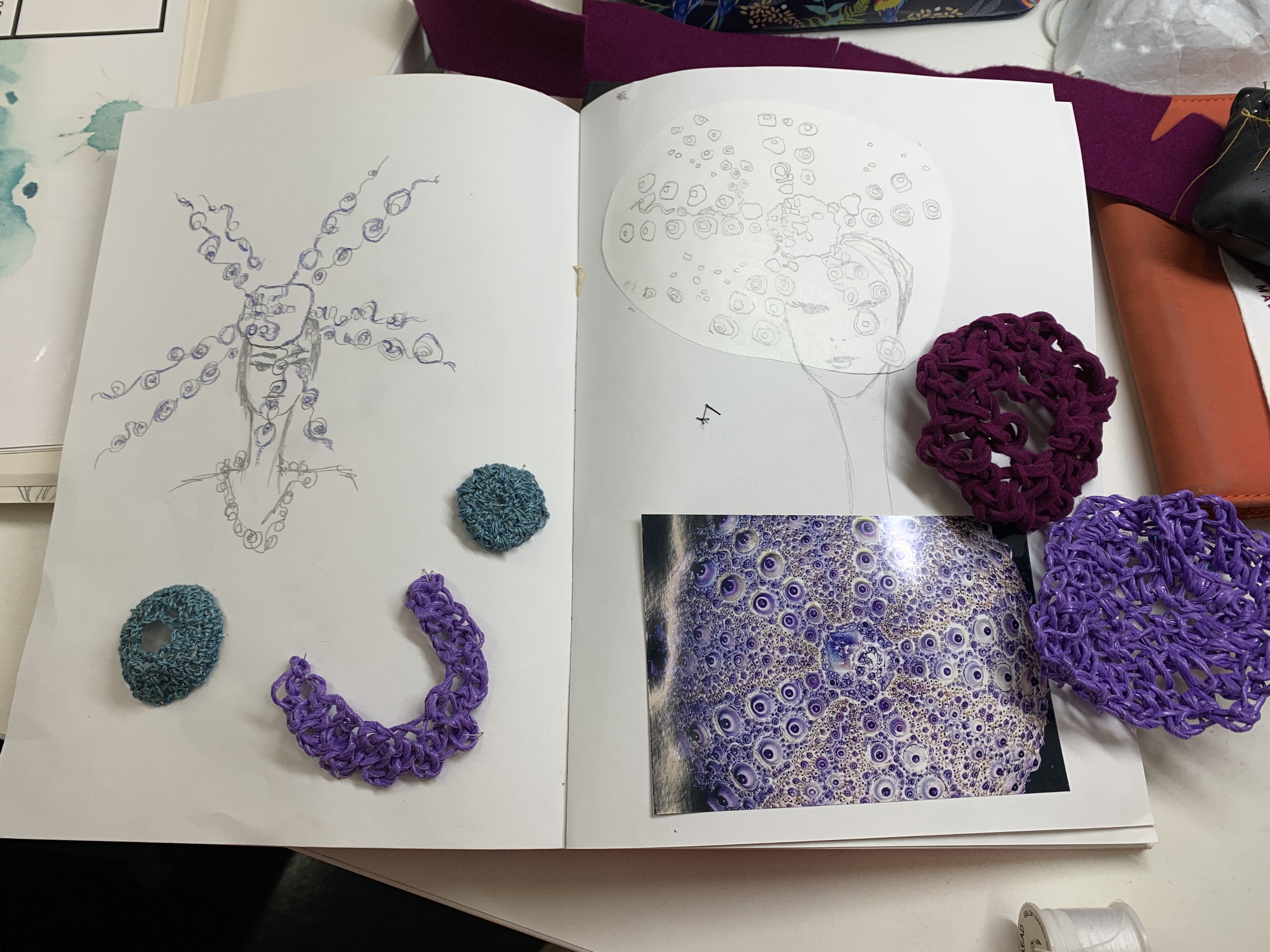
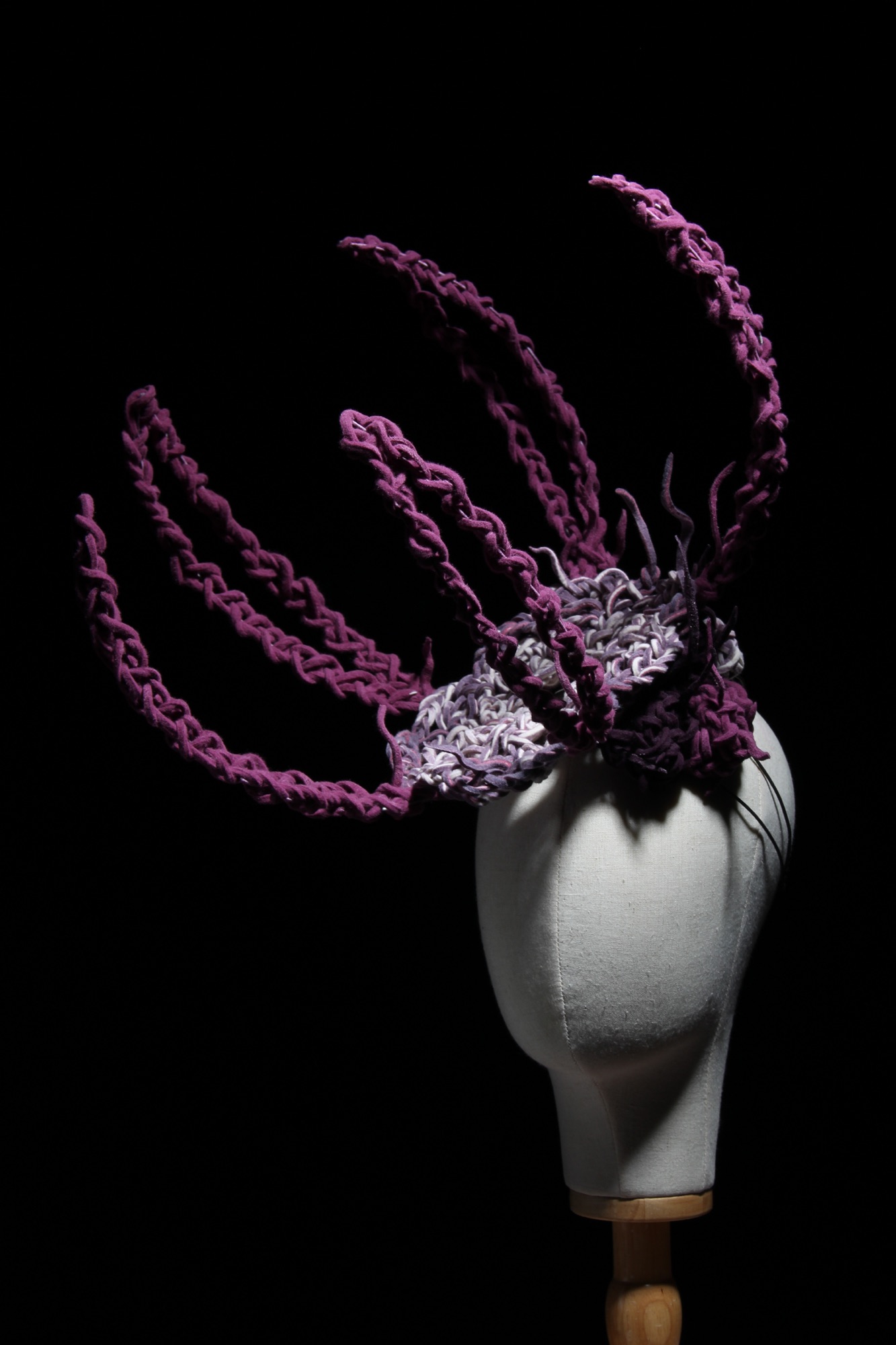
Making a hat is a very tactile and physical process; from sensuous velour felt to high quality panama straw, the choice of materials is a stage that I really enjoy. I take sustainability very seriously, so I often look for materials that are already around me and can be repurposed. My hat “Eros House”, which I made for Shelter UK, represents a deconstructed brutalist building in London; it was made entirely from dead stock fabrics and materials sourced within walking distance.
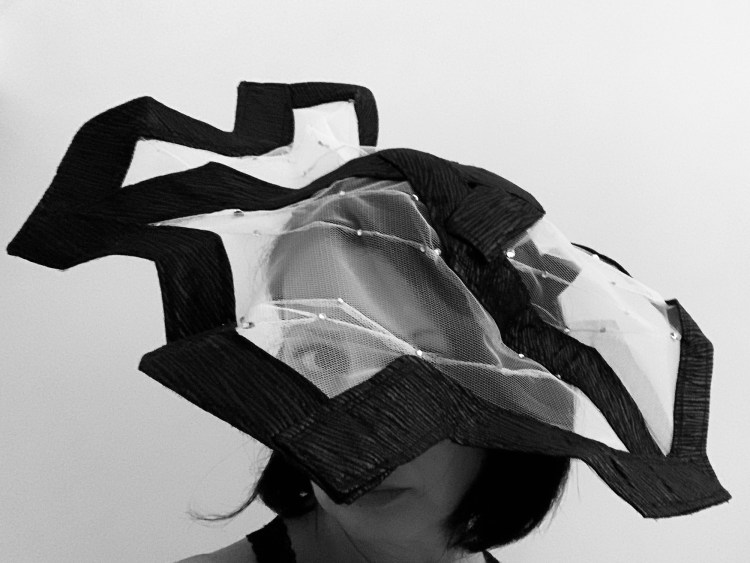
Trims can range from vintage brooches, to buttons, chains, handmade bows or flowers. Anything can make a good trim as long as there is a balance of shapes and colour that will flatter my client’s unique face shape. I prefer to keep my designs simple and invest in high quality materials that will last for years.
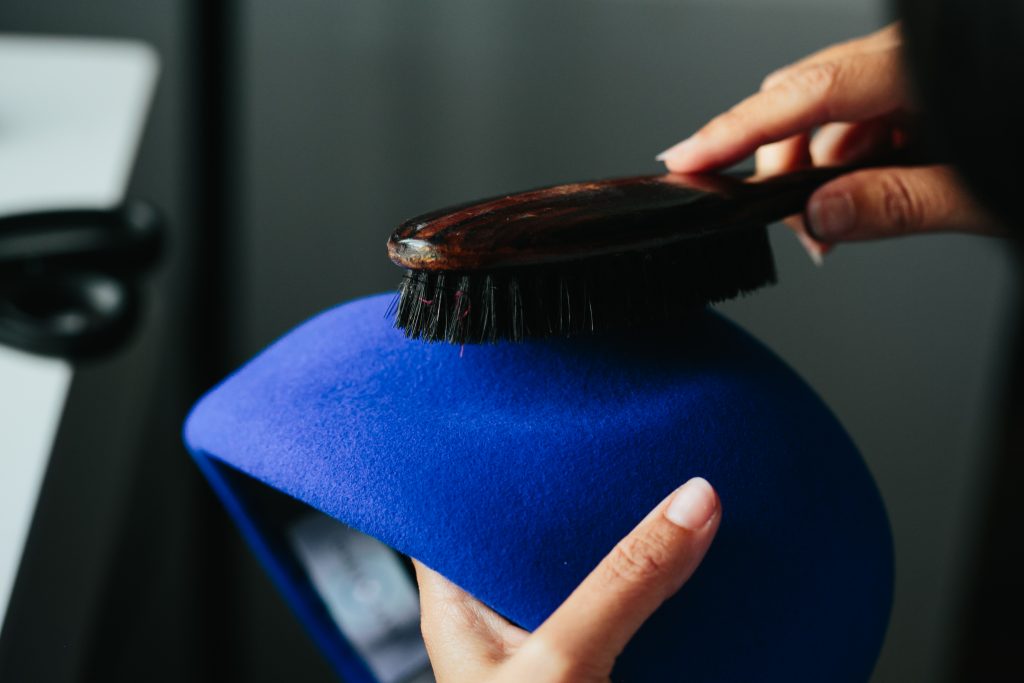
People often ask me how long it takes to make a hat. It’s a question that always puzzles me; I usually answer that it can take hours, days, weeks, or even months. What matters is having a clear design, the quality of the tools used, the durability of the materials, and the precision in blocking and stitching. I have made flat caps in under 4 hours, and sometimes taken a whole month to design and produce a couture piece.
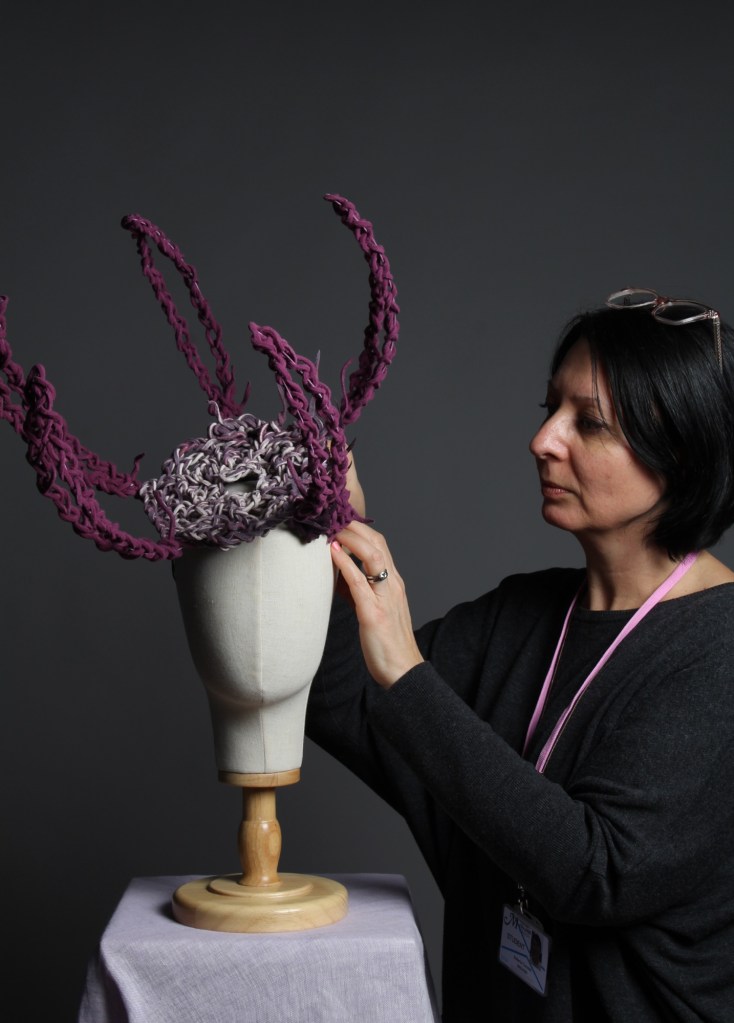
Thanks for visiting my studio, feel free to get in touch to hire me and for commissions.
 Roberta Cucuzza London